


Our mission is to ensure the generation of accurate and precise findings.
Please enter subscribe form shortcode
Please enter instagram feed shortcode
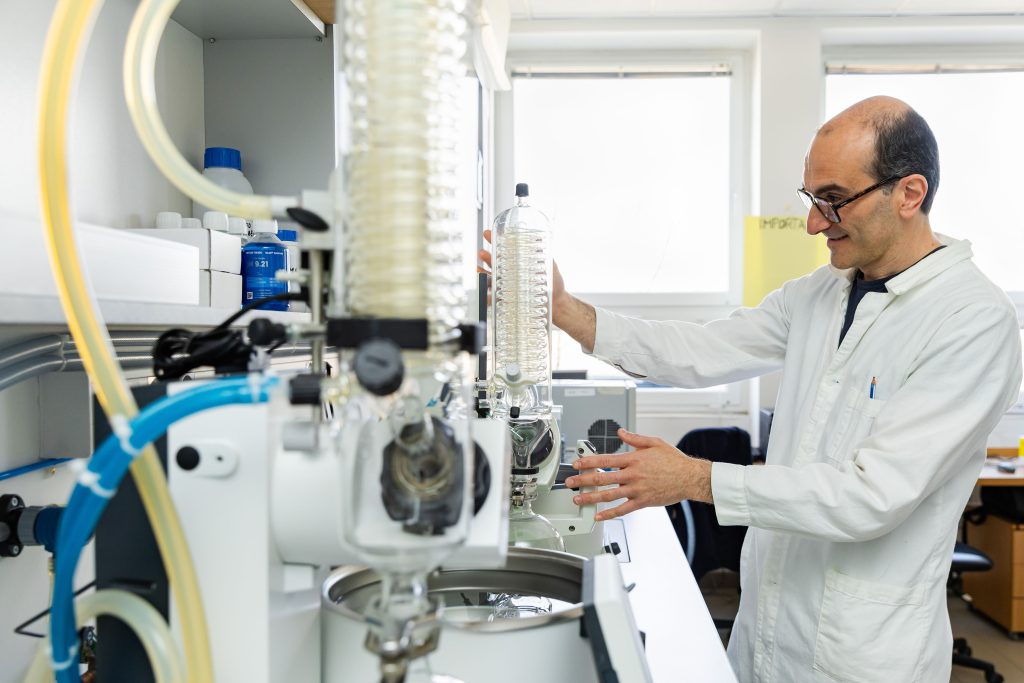
Proteins and monoclonal antibodies are inherently sensitive molecules whose performance can be affected by aggregation, denaturation, surface adsorption, oxidation, freeze–thaw stress, shear, temperature, and other environmental factors. High-concentration antibody formulations bring an additional challenge: increasing protein–protein interactions can result in high viscosity, difficult processing, and poor injectability, particularly for subcutaneous products. Successful formulation development therefore requires simultaneously optimizing stability, concentration, viscosity, manufacturability, and administration.
Cyclodextrins, particularly hydroxypropyl-β-cyclodextrin (HPβCD), are increasingly investigated as multifunctional excipients for biologics. Rather than simply forming inclusion complexes, cyclodextrins can influence protein–protein and interfacial interactions, helping reduce aggregation and protect proteins against stresses such as agitation and surface exposure. Studies with monoclonal antibodies including adalimumab, bevacizumab, and ipilimumab have demonstrated the potential of HPβCD-containing formulations. Importantly, cyclodextrins do not necessarily need to replace established excipients: synergistic combinations with polysorbates and protective sugars such as trehalose can offer additional formulation opportunities. For high-concentration products, we also investigate viscosity reduction and protein–protein interactions to support better syringeability and injectability.
CarboHyde supports protein and monoclonal antibody formulation development from early developability assessment to optimized prototypes. Our studies can include cyclodextrin and excipient screening, polysorbate/CD and trehalose/CD combination studies, buffer and pH optimization, high-concentration formulation development, viscosity reduction, syringeability and injectability assessment, aggregation and subvisible-particle analysis, protein–protein interaction studies, thermal characterization, forced-degradation studies, freeze–thaw and agitation testing, analytical characterization, and short- and long-term stability studies. We can further support lyophilized product development, process optimization, scale-up, analytical strategy, IP development, regulatory documentation, and technology transfer.
Our formulation platform combines conventional protein formulation approaches with CarboHyde's specialized expertise in cyclodextrin chemistry. We work with liquid and high-concentration formulations, lyophilized products, spray-dried systems, and advanced solid-state formulations, selecting technologies according to the molecule and intended route of administration. Particular emphasis is placed on lyophilization and stabilization during freezing, drying, reconstitution, and storage, where cyclodextrins can be combined with established lyoprotectants such as trehalose. Through rational excipient combinations and biophysical characterization, our goal is to develop formulations that deliver the required stability, concentration, viscosity, manufacturability, and patient-friendly administration.