

Our mission is to ensure the generation of accurate and precise findings.
Please enter subscribe form shortcode
Please enter instagram feed shortcode
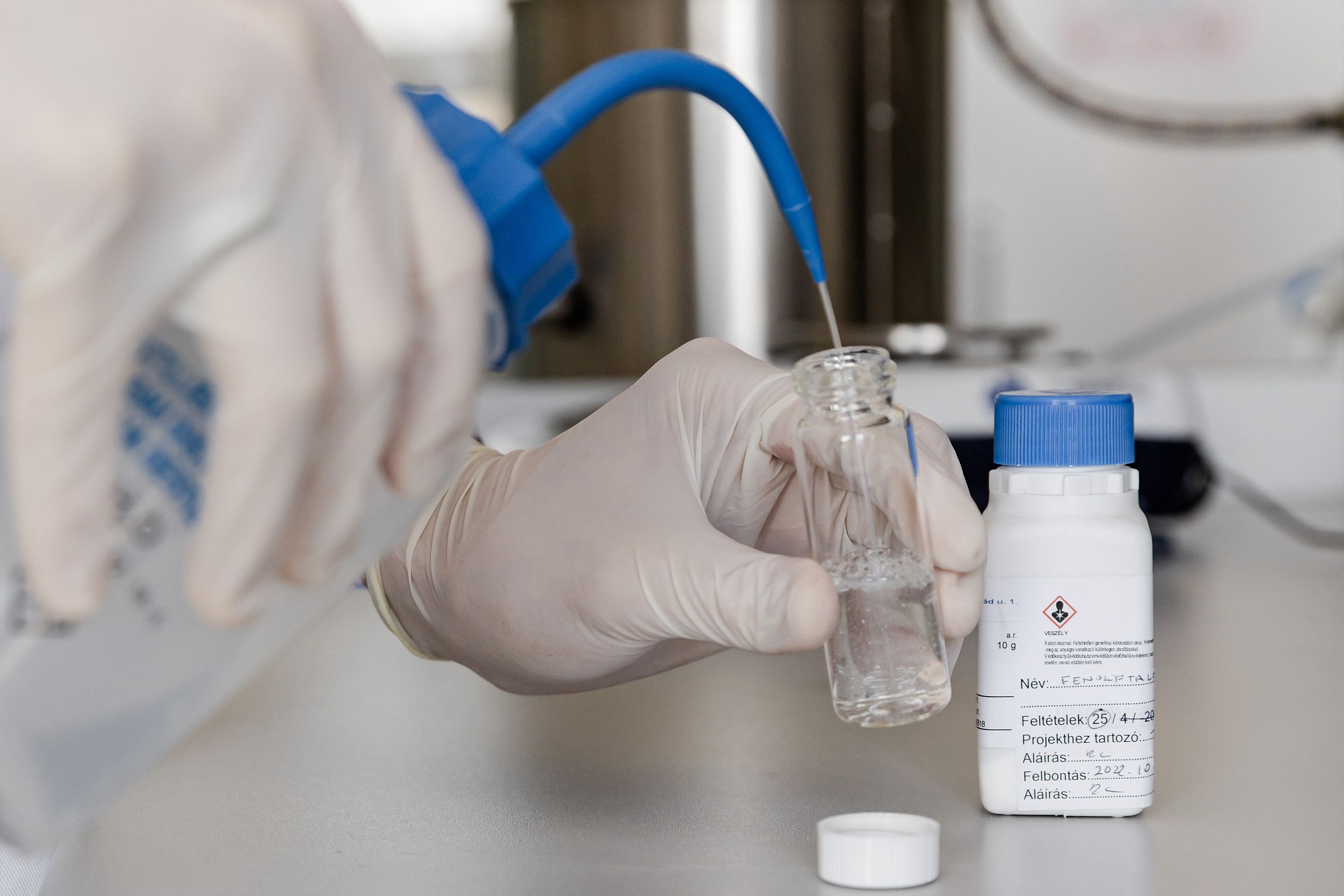

Poor aqueous solubility remains one of the most common challenges in pharmaceutical development and can limit bioavailability, dose flexibility, formulation options, and ultimately clinical performance. Many modern APIs are highly lipophilic or crystalline compounds that require dedicated formulation strategies to achieve suitable solubility, stability, and delivery. Similar challenges are increasingly encountered in nutraceutical and cosmetic ingredients, where improving dispersibility, stability, or sensory properties can be equally important.
Cyclodextrins can improve the apparent solubility, dissolution, stability, taste, and delivery of poorly soluble compounds through inclusion complex formation and other molecular interactions. Their industrial relevance is already demonstrated by marketed drug products containing cyclodextrins, including formulations of itraconazole, voriconazole, and remdesivir. CarboHyde has participated in the development of several dozen pharmaceutical products, food supplements, and cosmetic formulations containing cyclodextrins. With experience in, and access to, essentially all commercially available cyclodextrins, our formulation team can identify the most appropriate derivative and make the most of what cyclodextrin technology can offer.
We support cyclodextrin-based formulation development from early feasibility studies through prototype and scale-up. Our services include cyclodextrin screening, phase-solubility and binding studies, formulation optimization, prototype development, analytical method development and characterization, stability studies, permeation studies, dissolution and release-kinetics testing, excipient compatibility studies, and accelerated formulation screening. We can also support IP strategy and patent development, regulatory documentation, technology transfer, process scale-up, and preparation for manufacturing, allowing promising laboratory formulations to progress toward commercially viable products.
Complex formation is strongly dependent on both the cyclodextrin–guest interaction and the manufacturing process. We therefore work with a broad range of established industrial techniques, including freeze-drying (lyophilization), co-precipitation, solvent evaporation, kneading and grinding/co-milling, spray-based approaches, and solution complexation. We have particular expertise in lyophilization, electrospinning, grinding, and co-precipitation, enabling us to select and optimize the preparation method according to the physicochemical properties of the API, the intended dosage form, and the requirements of subsequent manufacturing.